
A CIBIL score is an important number that shows how well you manage credit. It is a three-digit score that banks use to check your credit history and decide if they should give you a loan. Checking your CIBIL score regularly helps you keep your credit in good condition and make better financial decisions. You can get one free credit report from CIBIL every year. Read more to understand your CIBIL score and how to check it.
How to Check CIBIL Score for Free
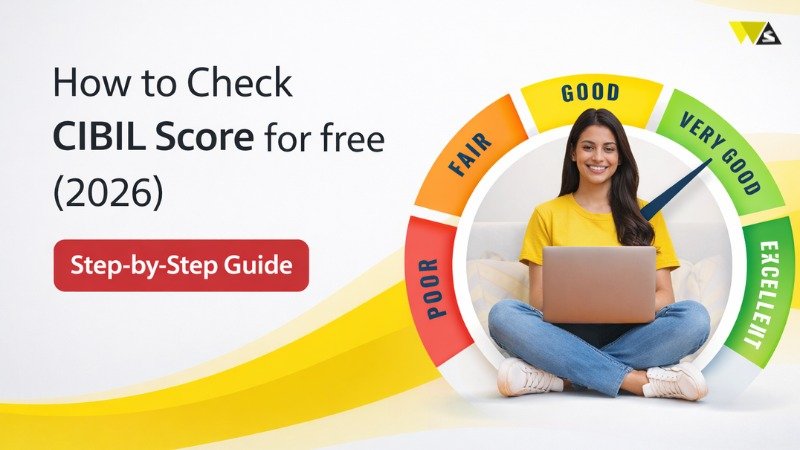
You can check your CIBIL score for free by following these steps:
Step-by-Step Process
Step 1. Visit the official CIBIL website: Open the CIBIL website on your browser.
Step 2. Sign up or log in to your account: Create a new account or log in if you already have one.
Step 3. Enter your details: Fill in details like PAN number, mobile number, and date of birth.
Step 4. Verify OTP: Enter the OTP sent to your registered mobile number.
Step 5. Check your CIBIL score instantly: After verification, your score will be shown on the screen.
| Step | What to Do |
| 1 | Visit CIBIL website |
| 2 | Sign up / Login |
| 3 | Enter details |
| 4 | Verify OTP |
| 5 | Check score |
What is CIBIL Score?
A CIBIL score is a number that shows how well you manage your money and loans. It tells lenders if you are good at repaying debt. Your score is based on things like paying bills on time, how much credit you use, types of loans, how long you have used credit, and recent loan applications. A high score means low risk, so you can get loans easily and at better interest rates.
Keeping a good credit score is important because it affects loan approval, renting a house, and other financial decisions.
Benefits of Good CIBIL Score
- Get Special Offers: You can get loan and credit card offers easily based on your credit score.
- Better Loan Deals: A high score helps you ask for lower interest or fewer charges.
- Lower Interest Rates: Good score = lower interest on loans and credit cards.
- Easy Loan Approval: Banks trust you more, so your loan gets approved faster.
- Get More Loan Amount: A high score helps you get a bigger loan.
- Longer Repayment Time: You may get more time to repay, so your EMI becomes lower.
Why CIBIL Score is Important
Your CIBIL score shows how well you can repay loans. It is a number between 300 and 900, given by TransUnion CIBIL.
A high score means you are a reliable borrower, so it is easier to get loans and credit cards. A low score means you may have missed payments, so banks may reject your application.
So, keeping a good CIBIL score is very important for getting loans easily.
This table showing the CIBIL score ranges:
| Score Range | Level | Meaning |
| 300 – 680 | Low | Poor score. Shows late payments or missed EMIs. High risk for banks. |
| 681 – 730 | Below Average | Some delay in payments. May face problems in getting loans. |
| 731 – 770 | Good | Good payment history. Higher chance of loan approval. |
| 771 – 790 | Very Good | Strong credit behaviour. Low risk for banks. |
| 791 – 900 | Excellent | Best score. Easy loan approval with low interest rates. |
But remember, your CIBIL score is not the only factor. Banks also check your income, job, and ability to repay the loan.
How is CIBIL Score Calculated?
Your CIBIL score is based on your past credit behaviour. Banks and NBFCs share your credit details, and this is used to calculate your score.
Things That Affect Your CIBIL Score-
- Payment history: Paying loans and bills on time improves your score
- Credit history length: Longer history is better
- Hard inquiries: Too many loan applications can lower your score
- Credit usage: Use less than 30% of your limit
- Multiple Credit mix: Using different types of credit is good for your score.
Reasons for Low CIBIL Score
- Missing or late payments
- Using too much credit
- Errors in your credit report
- Applying for too many loans
- Closing old credit accounts
- Settling loans instead of full payment
How to Improve CIBIL Score
You can improve your CIBIL score by following these simple steps:
- Pay all bills and EMIs on time
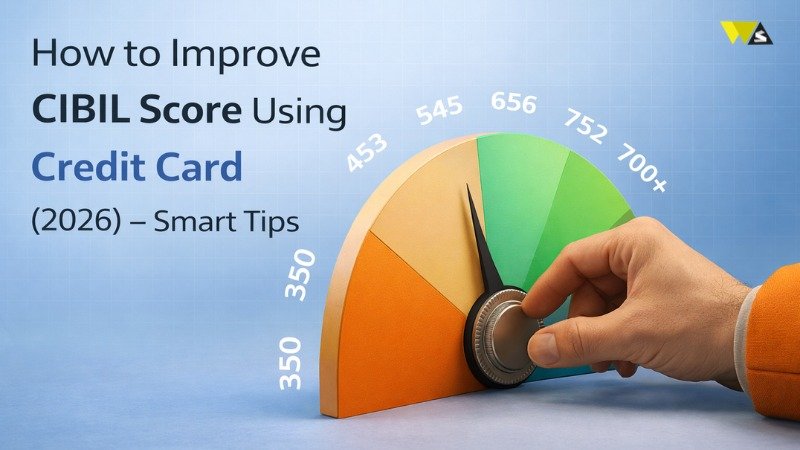
- Use less credit (keep it below 30%)
- Check your credit report and fix any errors
- Avoid applying for too many loans
- Keep your old credit accounts active
- Use different types of credit wisely
Why Are There Different CIBIL Scores?
You may see different CIBIL scores because different lenders and credit bureaus use different ways to calculate the score.
1. Different Calculation Methods: Each lender or bureau may use a different method to calculate your score.
2. Different Data Used: Some scores may use slightly different data, so the result can change.
3. Focus on Different Loans: Some scores give more importance to certain loans like home loans or car loans.
So, your CIBIL score can be slightly different in different places, and this is normal.
What to Do If You Don’t Have a CIBIL Score
If you have never taken a loan or used a credit card, you may not have a CIBIL score. To build your score, you can start with these simple steps:
1. Get a Secured Credit Card: Apply for a credit card with a fixed deposit. It is easy to get and helps build your score.
2. Become an Authorized User: Ask a family member with a good credit history to add you to their credit card.
3. Take a Small Loan: You can take a small loan and repay it on time to build your credit history.
4. Check Your Credit Report: Use services like CIBIL to track your credit and fix any errors.
These steps help you create and improve your CIBIL score over time.
Why Your CIBIL Score Changes
Your CIBIL score can go up or down because of your credit habits.
Main reasons are following:-
- Late payments: Missing or delaying payments lowers your score
- High credit use: Using too much of your credit limit affects your score
- New loan applications: Applying for many loans can reduce your score
- Closing old accounts: This can reduce your credit history
- Negative records: Things like defaults can lower your score a lot
Why You Should Check Your CIBIL Score
Checking your score regularly is important.
- Find errors: You can spot and fix mistakes
- Stay safe: Helps detect fraud early
- Know your score: Understand your credit position
- Improve your score: You can take steps to make it better
Regular checking helps you keep your CIBIL score healthy.
How CIBIL Score Affects Loans and Credit Cards
Your CIBIL score plays an important role when you apply for a loan or credit card.
- Loan approval: A high score increases your chances of getting a loan
- Credit card limit: You may get a higher credit limit
- Loan amount: You can get a bigger loan
- Interest rate: You may get lower interest rates
Difference Between CIBIL Score and Credit Report
- CIBIL Score: A single number that shows how good you are at handling credit
- Credit Report: A detailed report of your credit history, including:
- Your loans and credit cards
- Your payment history
- Your loan applications (inquiries)
- Any negative records
the score is a summary, and the report shows full details.
Conclusion
Checking your CIBIL score online for free is a simple and important step to manage your financial health. It helps you understand your credit position and prepare better before applying for a loan or credit card. By regularly checking your score, you can also detect errors early and take steps to improve it.
A good CIBIL score helps you get loans easily, lower interest rates, and better offers. If your score is low, don’t worry. Pay your bills on time, use less credit, and follow good habits to improve it.
Frequently Asked Questions (FAQs)
1. How can I check my CIBIL score online for free?
You can check your CIBIL score online for free. Go to the CIBIL website, sign up, and enter your details like PAN, mobile number, and date of birth. Verify with OTP, and then you can see your score and download your report.
2. Is it safe to check CIBIL score online?
Yes, it is safe to check your CIBIL score online if you use trusted websites or apps. They use secure systems and OTP to protect your details.
3. How many times can I check my CIBIL score for free?
You can check your CIBIL score for free once every month on most official platforms. Checking your score regularly does not harm your credit score, so it is good to monitor it frequently.
4. Does checking my CIBIL score reduce it?
No, checking your own CIBIL score is called a soft inquiry, and it does not affect your score at all. Only hard inquiries, like when you apply for a loan or credit card, can slightly impact your score.
5. What is a good CIBIL score for loan approval?
A CIBIL score of 750 or above is generally considered good for loan approval. With a high score, banks are more likely to approve your loan and may offer lower interest rates and better terms.
Can I get a loan with a low CIBIL score?
Yes, you can still get a loan with a low CIBIL score, but it may come with higher interest rates and stricter conditions. Some lenders also consider your income and repayment ability before approving your loan.
7. What details are required to check CIBIL score online?
To check your CIBIL score online, you need basic details like your PAN card number, mobile number, email ID, and date of birth. These details help verify your identity before showing your credit report.
8. How often should I check my CIBIL score?
You should check your CIBIL score at least once a month or every few months. Regular checking helps you track your credit performance and quickly identify any errors or fraud.
9. Why are there different CIBIL scores on different platforms?
You may see different scores on different platforms because they use different methods or data. The difference is usually small and normal.
10. What should I do if there is an error in my CIBIL report?
If you find any mistake in your CIBIL report, you should report it immediately on the official website. You can raise a dispute request, and the issue will be verified and corrected within a few days if found valid.