
Credit cards can be risky if not used properly, but they can also help you. Getting a card is easy, but using it wisely is important. If you don’t manage it well, you can get into debt. If you use it properly, it can improve your CIBIL score.
Banks and financial companies mainly check your CIBIL score before giving loans or credit cards. If your score is low or you have no credit history, it becomes difficult to get credit. If you already have a credit card, you can use it smartly to improve your CIBIL score.
What is CIBIL Score?
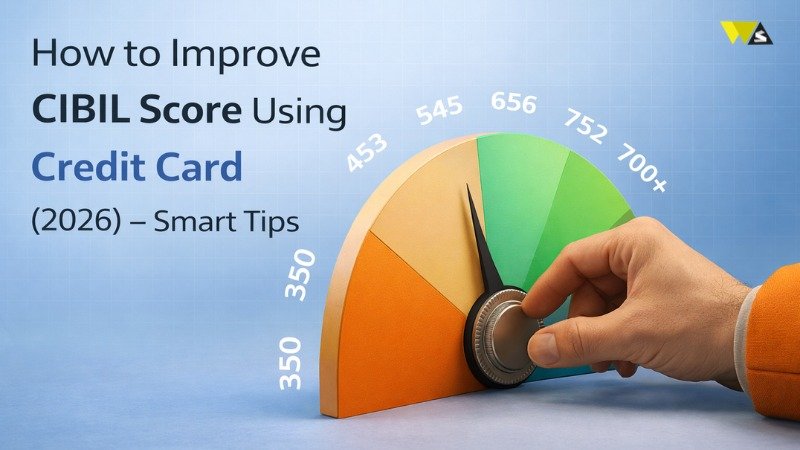
A CIBIL score is a 3-digit number that shows your credit history. It usually ranges from 300 to 900. This score tells banks how well you manage your loans and credit cards. Your CIBIL score is based on your financial behavior. It depends on things like paying bills on time, using credit properly, and managing loans. A higher score shows you use credit responsibly.
Why is CIBIL Score Important?
A good CIBIL score makes it easier to get a loan or credit card. Banks trust people with high scores, so they give faster approval and better offers. You may also get a low interest loan and higher credit limit.
On the other hand, a low score can cause problems. Your loan may get rejected, or you may have to pay higher interest.
| Score Range | Meaning |
| 750+ | Excellent |
| 700–749 | Good |
| 650–699 | Average |
| Below 650 | Poor |
Smart Tips to Improve CIBIL Score Using Credit Card
Using a credit card is easy, but using it carefully is important. If you use it properly, it can help you manage your money and improve your CIBIL score. But if you use it without planning, it can lead to debt and money problems.
Here are some simple tips to use your credit card wisely:
- Pay Your Bills on Time: Pay your credit card bill on time every month. If you miss the due date, you have to pay extra charges and it can lower your CIBIL score. Paying on time helps you build a good credit score and makes it easier to get loans later.
Example: Rohan forgot to pay his credit card bill for one month. He had to pay extra charges, and his credit score went down. After that, he started setting reminders and paid his bill on time every month.
- Use Only a Small Part of Your Limit: Do not use your full credit limit. Try to use less than 30% of your limit. For example, if your limit is ₹1,00,000, use only up to ₹30,000. This shows you use credit wisely and helps improve your credit score.
Example: Neha has a credit limit of ₹1,00,000 but she uses only ₹25,000 every month. Because of this, her credit score improved over time.
- Avoid Unnecessary Spending: A credit card can make spending feel easy, but you should be careful. Do not use it for things you do not really need. Always think before spending and make sure you can repay the amount later. Smart spending helps you stay out of debt.
Example: Aman used to pay only the minimum amount on his card. After a few months, his bill became very high due to interest. Then he changed his habit and started paying the full amount every month.
- Check Your Statement Regularly: It is important to check your credit card statement every month. This helps you track your spending and also identify any wrong charges or fraud. If you see any mistake, you can report it quickly and avoid problems.
Example: Pooja used her credit card for shopping and unnecessary items. Later, she struggled to pay the bill. Now she uses her card only for important expenses.
- Build Good Financial Habits: Good habits like paying on time and using less credit help you build a strong financial future.
Example: Simran always pays her bills on time and uses her card carefully. Because of this, she got approved for a loan easily with a low interest rate.
- Use Different Types of Credit: Using different types of credit can improve your CIBIL score. This includes personal loans, home loans, car loans, and credit cards. It shows you can handle credit well.
But take credit only when needed and make sure you can repay it on time. Using different credit types wisely can help build a good credit score.
- Close Old Credit Card Carefully: Old credit cards show your long credit history. Closing them can lower your credit score because it reduces your credit history and total limit. This can also increase your credit usage.
Before closing an old card, try to increase the limit on your other cards. This helps keep your credit usage low and protects your score.
Avoid Overspending on Credit Card
Many people use credit cards for big purchases and plan to pay later. But if you don’t pay on time, it can harm your CIBIL score and increase debt.
For example, Riya bought a new smartphone and some home items using her credit card. She thought she would pay the bill later, but her monthly expenses increased, and she could not pay the full amount on time. Slowly, the bill increased with interest, and her CIBIL score went down. Later, when she applied for a loan, it got rejected.
So, it is better to plan your budget and use your credit card only for planned and necessary expenses, and always pay the full bill on time. This helps you avoid debt, keep your card usage low, and maintain a good credit score.
Ideal Credit Utilization Ratio (30% Rule)
Credit utilization means how much credit you use from your total limit. It is an important factor that affects your CIBIL score. The 30% rule means you should use less than 30% of your total credit limit. This shows that you are not fully dependent on credit and can manage your money well.
Banks see high credit usage as risky. If you use too much of your limit, your credit score can go down. Keeping it below 30% helps improve your score and increases your chances of getting loans easily.
Example-
Rahul has a credit limit of ₹50,000. Earlier, he used ₹40,000 every month (80%), and his score stayed low. Then he reduced his usage to ₹15,000 (30%), and his score improved within a few months.
| Credit Limit | Usage | Utilization | Impact |
| ₹1,00,000 | ₹80,000 | 80% | Negative |
| ₹1,00,000 | ₹30,000 | 30% | Good |
| ₹1,00,000 | ₹10,000 | 10% | Very Good |
How Long Does It Take to Improve CIBIL Score?
Improving your CIBIL score takes time. It does not increase in one day, but you can see gradual improvement if you follow the right steps. The time depends on your current score and your actions. Small changes can be seen in 30–60 days, while bigger improvement may take 3 to 6 months or more.
Your score improves faster if you pay bills on time, use less credit, clear old dues, and avoid taking too many new loans. Being regular and careful with your money helps a lot.
Your CIBIL score is based on your past behaviour, so banks need time to trust your new habits. That’s why consistency is important.
Example:
Ankit had a CIBIL score of 620. He started paying all bills on time and reduced his credit usage. After 2 months, his score improved a little, and after 4–5 months, it crossed 700.
| Time Period | Expected Change |
| 30–60 days | Small improvement |
| 2–3 months | Noticeable change |
| 4–6 months | Good improvement |
| 6+ months | Strong score recovery |
Can You Get a Personal Loan with a Low CIBIL Score?
Yes, you can get a personal loan even if your CIBIL score is low. But it may be difficult, and the loan may come with some conditions.
Banks see low CIBIL score as risky, so they may not give the best offers. Still, some lenders provide loans based on your income, job stability, and repayment ability.
What You Will Get
- Higher interest rate
- Lower loan amount
- Strict approval conditions
How to Improve Chances
- Show stable income
- Apply with a co-applicant
- Choose a smaller loan amount
- Maintain good repayment history
Best Credit Cards for Low CIBIL Score (2026)
If your CIBIL score is low, you can still get a credit card. But getting a regular card may be difficult. In this case, secured credit cards or basic cards are better options. These cards help you slowly improve your credit score if you use them properly.
Best Credit Card Options-
- SBI Unnati Credit Card: A secured card given against a fixed deposit. Good for beginners and low score users.
- IDFC FIRST WOW Credit Card / IDFC FIRST EA₹N Credit Card: Easy to get with a fixed deposit. Also gives cashback and rewards.
- ICICI Instant Platinum Credit Card: FD-based card that helps build credit history.
- Kotak 811 Secured Credit Card: Can be taken with a small fixed deposit and is easy to approve.
- Suryoday RuPay Platinum Credit Card: Lifetime free secured card with cashback and easy approval.
| Card Type | Approval | Requirement | Best For |
| Secured Credit Card | Easy | Fixed Deposit | Low CIBIL users |
| Entry-Level Card | Medium | Basic income | New users |
| Premium Card | Difficult | High score | Experienced users |
Note: Start with a secured credit card and use it properly. After a few months, you can upgrade to a better card.
How Banks Check CIBIL Score Before Loan?
Before giving a loan, banks check your CIBIL score to see your credit history. This helps them decide if they should approve your loan.
When you apply for a loan, the bank checks your CIBIL report. This is called a hard inquiry.
Your report shows your past loans, credit card use, payment history, and any missed payments.
Why It Matters
If your score is high, banks trust you and approve your loan easily. You may also get a low interest loan. If your score is low, your loan may get rejected or approved with strict conditions.
Note: Keep your CIBIL score above 750 for best loan offers.
Conclusion
Improving your CIBIL score with a credit card is easy if you follow simple habits. Pay your bills on time, use less than 30% of your limit, and avoid unnecessary spending. A credit card is not just for spending, it helps you build a good financial record.
If your score is low, don’t worry. With regular and careful use, your score can improve in a few months. A good CIBIL score helps you get loans easily and at lower interest rates.
Start using your credit card smartly today and improve your CIBIL score step by step.
Frequently Asked Questions (FAQs)
1. How can a credit card help improve my CIBIL score?
A credit card can improve your CIBIL score if you use it properly. Pay your bills on time, use less credit, and don’t miss payments. This shows you handle credit well and helps increase your CIBIL score over time.
2. What is the ideal credit utilization ratio for a good CIBIL score?
Try to use less than 30% of your credit limit. For example, if your limit is ₹1,00,000, use only up to ₹30,000. This shows you don’t depend too much on credit and helps improve your CIBIL score.
3. Does paying only the minimum due affect my CIBIL score?
Paying only the minimum due is not good. It increases your remaining balance and interest, which can lead to more debt. Over time, this can affect your payment habits and lower your CIBIL score.
4. How long does it take to improve a CIBIL score using a credit card?
Improving your CIBIL score takes time. You may see small changes in 30–60 days, but big improvement usually takes 3 to 6 months or more. Paying on time and using less credit helps improve your score faster.
5. Can I improve my CIBIL score without taking a loan?
Yes, you can improve your CIBIL score without taking a loan. Using a credit card wisely is enough to build a good credit history. Paying bills on time and maintaining low credit usage are the most important factors.
6. What are common credit card mistakes that lower CIBIL score?
Common mistakes include missing payments, using more than 30% of your limit, paying only the minimum due, and applying for multiple credit cards at once. These actions signal poor credit behavior and can reduce your CIBIL score over time.
7. Is it good to close old credit cards to improve my score?
No, closing old credit cards can sometimes reduce your CIBIL score. Older cards show a longer credit history and increase your total credit limit. Closing them may increase your credit utilization ratio and reduce your score.
8. Can a low CIBIL score affect loan approval?
Yes, a low CIBIL score makes it hard to get a loan. Banks may reject your application or charge higher interest. A high score improves your chances and helps you get better loan terms.
9. Which type of credit card is best for improving CIBIL score?
Secured or basic credit cards are good for beginners or people with low CIBIL score. They are easy to get and help you build your credit score. After some time, you can upgrade to better cards.
10. How often should I check my CIBIL score?
You should check your CIBIL score at least once every month or quarter. Regular checking helps you track your progress, identify errors, and take action quickly if your score drops.